



Mindfulness is more than a meditation practice.
It is a way of being present in your life.
It can be practised in stillness, in movement, in conversation and in the ordinary moments of the day—by learning to notice what is happening as it is happening.

Learn About Mindfulness
Explore Mindfulness
Practise Mindfulness
Explore Free Guided Meditations


Why mindfulness?
What we practise can shape how we meet everyday life.
Over the past several decades, mindfulness has been widely studied for its role in supporting well-being. Research suggests that regular practice can support attention, emotional awareness, stress management, resilience and self-compassion.
But the value of mindfulness isn’t only in what it may help us improve.
As we become more aware of our thoughts, emotions and physical sensations, we can begin to notice our habitual ways of reacting. That awareness can create a little more space—giving us the opportunity to respond with greater intention rather than simply reacting automatically.
What mindfulness really means
Mindfulness isn’t about emptying the mind.
Nor is it about escaping difficult thoughts or emotions, or trying to remain calm all the time.
Mindfulness invites us to notice what is already here—our thoughts, emotions, physical sensations and the world around us—with greater awareness and curiosity.
Over time, the practice can help us recognise our patterns more clearly and change the way we relate to our experiences.
Mindfulness as a way of life
Mindfulness doesn’t have to end when the meditation ends.
As we practise paying attention, we may begin to bring that same quality of awareness into the ordinary moments of our day.
We become more aware when the mind is caught up in worries about the future or replaying something from the past. And when we notice, we have an opportunity to return to what is happening right now.
Over time, this can change the way we experience everyday life. We may find ourselves more present in conversations, more aware of how we are feeling, and better able to notice the small moments we might otherwise rush past.

A cup of chai. A walk in the park. A conversation with someone we love. The feeling of the sun or breeze as we step outside.
The moments themselves haven’t changed. We are simply more present for them.
Yoga & mindfulness
Yoga can be another way of cultivating awareness.
Yoga and mindfulness share an invitation to pay attention—to the body, the breath and our experience in the present moment.
While yoga often explores this awareness through movement and the body, mindfulness can help us carry that same quality of attention beyond the mat and into everyday life.
Yoga may be part of some Attune workshops and experiences, although it will not be part of every session. Where it is included, the intention is not to perfect a pose, but to explore movement with greater awareness of the body and breath.
Exploring mindfulness at Attune
There isn’t just one way to practise mindfulness.
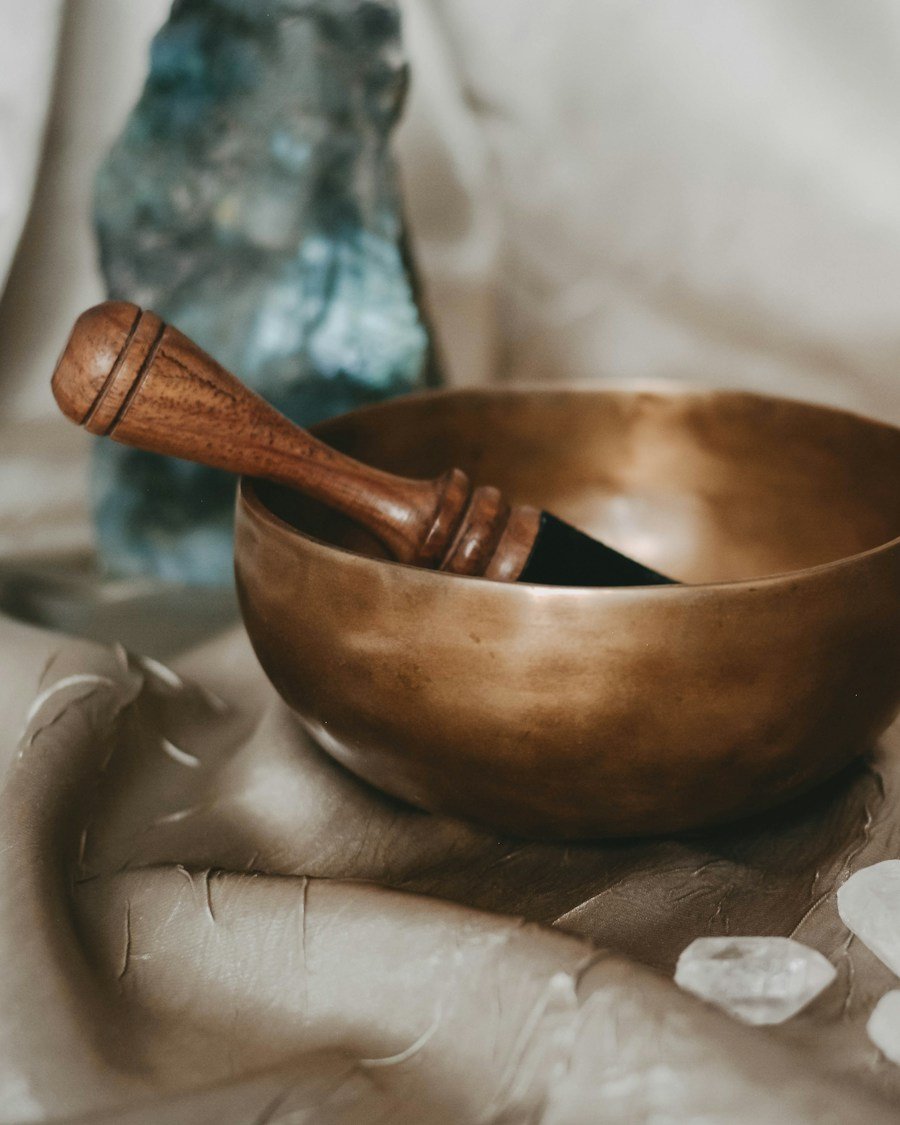
At Attune, mindfulness is explored through a range of practices. Depending on the session, this may include guided meditation, reflection, mindful movement or yoga and, where it supports the experience, the use of sound through instruments such as Himalayan singing bowls or chimes.
The practices may vary, but the intention remains the same: to help you cultivate greater awareness and bring mindfulness into everyday life.

Walking
Feel the ground with every step.
Listening
Notice what you hear.

Movement
Notice the body as you move.

Everyday Awareness
Notice the small moments.


Explore Free Guided Meditations
A few minutes to pause, notice and practise.
Choose a short guided meditation and experience mindfulness for yourself.

Reset
5:46By reconnecting with your breath, this meditation is an opportunity for a fresh start when life gets chaotic.

Pause
9:38By slowing down and bringing awareness to your body and breath, you can create a moment of pause in your day.

Steadying the Mind
10:45By returning your attention to the breath whenever the mind wanders, this practice helps you strengthen focus and steady the mind.

Relax
11:21By noticing where you hold tension in your body, you can begin to consciously let go and relax.

Body Scan
11:59By bringing gentle awareness to the body, this practice can help reduce stress, settle a busy mind, and cultivate greater presence.

Loving Kindness
14:52By offering kind wishes to yourself and others, this practice invites you to cultivate greater warmth, care, and connection.

Gratitude
15:04By gently noticing what already supports your life, you can begin to cultivate a deeper sense of gratitude.

Holding Difficult Emotions
15:16By acknowledging what you’re feeling, this practice invites you to meet yourself with greater awareness and kindness.

Preparing for Sleep
15:30By stepping away from the thoughts and activity of the day, this practice helps you settle into rest and prepare for sleep.

Living with Physical Pain
17:29By gently exploring physical discomfort, this practice invites you to notice sensations with greater awareness and curiosity.


Why I practise mindfulness
Mindfulness hasn’t changed what life brings. It has changed how I relate to what it brings.
I still get stressed. I still get anxious. I still get caught up in my thoughts, react in ways I wish I hadn’t, and have days when things feel difficult.
Mindfulness hasn’t made any of that disappear.
What it has given me is a greater awareness of what is happening within me. I notice more. Sometimes that means recognising that I’m getting caught up in a story in my head. Sometimes it means noticing an emotion before I immediately react to it. And sometimes it simply means realising that I’ve been rushing through my day without really being present for it.
The practice has also taught me that I can begin again. I don’t have to get mindfulness right all the time. I can notice that I’ve wandered, reacted or become overwhelmed—and return.
And perhaps that is what I value most about mindfulness. It hasn’t made my life perfect. It has helped me be more present for the life I already have.
— Kripa
Read Kripa’s storyCommon questions
FAQs
Answers to the things people most often ask before they begin.
Is mindfulness the same as meditation?
Not quite.
Mindfulness is a way of paying attention that can be practised throughout the day. Meditation is one way of developing that skill by setting aside time to practise it intentionally.
Do I need to quiet my mind before I can meditate?
No.
You bring the mind you have that day.
Some days it will feel calm.
Some days it will feel busy.
Both are welcome.
The practice isn't about creating a perfect state of mind. It's about learning to work with the mind you have, not the mind you wish you had.
Do I need to practise yoga to practise mindfulness?
No.
Mindfulness doesn’t require any particular kind of movement or physical practice. It can be explored while sitting, walking, eating, listening or simply going about your day.
Yoga may be included in some Attune workshops, but you don’t need any experience with yoga to take part. Where yoga or mindful movement is included, variations will be offered so you can choose movements that feel comfortable and accessible to you. You may also choose to stay with movements or poses that are familiar to you.
The intention isn’t to perfect a yoga pose. It’s to bring awareness to the body and breath as you move.
What if I can't stop thinking?
That's completely normal.
The mind thinks—that's what it does.
Mindfulness isn't about stopping your thoughts. It's about noticing them without getting caught up in every one of them.
Ready to begin?
Explore a short guided meditation and experience the practice for yourself.
Explore Meditations